How to Optimise Your Site for Zero-Click Searches
More searches end without a click than ever before. Here's how to adapt your SEO strategy to stay visible — and still drive business value — in a zero-click world.
Key Takeaways
- According to data from Semrush and SparkToro, over half of all Google searches in 2024 ended without a click — users got their answer directly from the results page (SparkToro / Datos)
- Zero-click searches are most common for informational and navigational queries — transactional and local queries still generate clicks at high rates
- Optimising for zero-click features like featured snippets, People Also Ask, and knowledge panels builds brand authority even when it does not drive direct traffic
- Local businesses are largely protected from zero-click displacement — the queries that matter most for bookings and footfall still resolve with a click
The phrase "zero-click searches" sounds alarming if you rely on organic traffic for your business. The implication seems to be that Google is eating your traffic — answering questions before users reach your site, reducing every search to a closed loop from which no website benefits.
The reality is more nuanced and, for most small businesses, less threatening than the headline suggests.
Zero-click searches are a genuine trend worth understanding and adapting to. But they affect different types of content and different businesses very differently. This guide explains what zero-click searches actually are, how to read the data honestly, and what changes to make to your content strategy to stay visible and competitive.
What Are Zero-Click Searches?
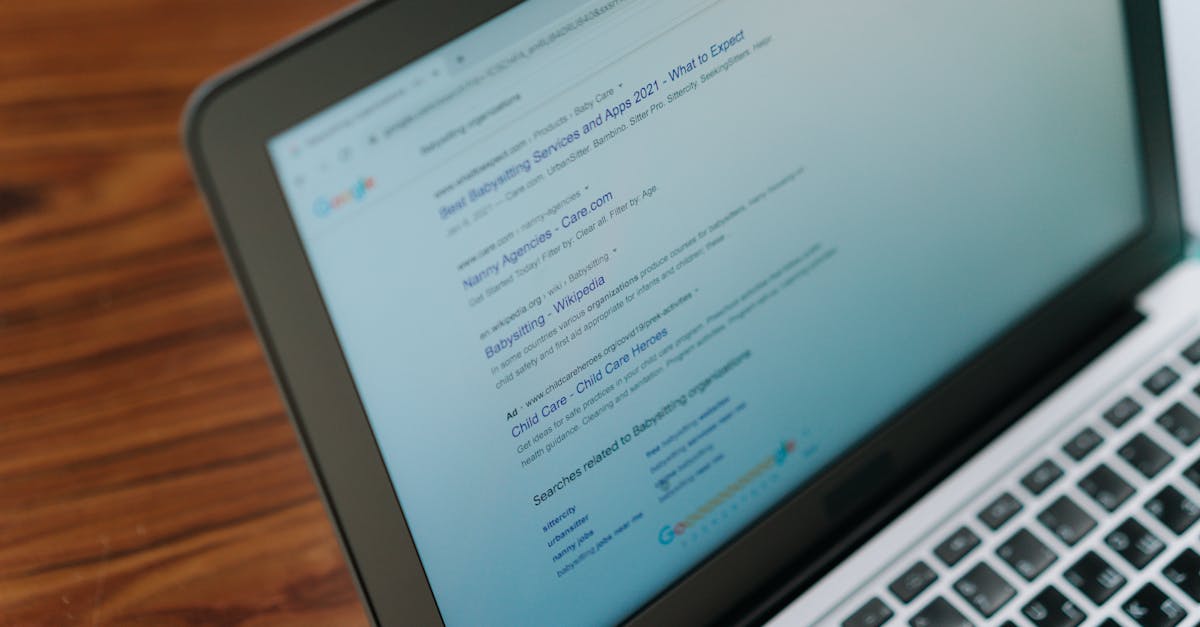
A zero-click search is any search where the user does not click through to any website — they get what they need from the search results page itself.
This is not new behaviour. People have always used search engines to get quick answers and move on. What has changed is the scale and sophistication of the features Google provides directly on the results page.
Features that generate zero-click behaviour include:
- Featured snippets — direct answers pulled from a webpage and displayed at the top of results
- Knowledge panels — information boxes about businesses, people, places, and concepts drawn from Google's Knowledge Graph
- People Also Ask (PAA) boxes — expandable question-and-answer sections
- AI Overviews — AI-generated summaries that now appear on roughly 10–18% of UK searches
- Direct answer boxes — for simple factual queries like maths conversions, sports scores, and weather
- Google Business Profile panels — business information shown directly in local results
For a deeper dive into AI Overviews specifically, see our guide on Google AI Overviews and your SEO strategy.
How Common Are Zero-Click Searches?
The most-cited data comes from a SparkToro and Datos study from 2024, which found that over 58% of US Google searches ended without a click to any external website. The EU figure was lower — around 45% — partly due to regulatory pressure on Google to surface external links more prominently.
It is important to contextualise these numbers. The "zero-click" category in this data includes:
- Searches where the user refined their query and searched again (not a true "zero-click" in intent)
- Navigational searches where the user went directly to a URL rather than clicking a Google result
- Searches where the Google Business Profile panel provided the answer (phone number, hours) — which often means the user went on to visit the business
Not every zero-click search represents lost traffic for publishers. Many represent Google functioning well for users — quick lookups that were never going to generate meaningful website traffic regardless.
Which Query Types Drive Zero-Click Behaviour
The zero-click rate varies dramatically by query type:
| Query Type | Approximate Zero-Click Rate | Why |
|---|---|---|
| Weather / time / conversions | 80–90% | Google answers directly |
| Celebrity / sports knowledge | 70–80% | Knowledge panels |
| Health / symptom information | 55–65% | Featured snippets + AI Overviews |
| How-to / instructional | 45–55% | Featured snippets + PAA |
| "Best X" comparisons | 30–40% | Users still want to browse |
| Local business queries | 20–30% | Click to call / directions needed |
| Transactional / buying intent | 15–25% | Users need to purchase somewhere |
| Brand / navigational | 10–20% | Users navigate to specific sites |
The pattern is clear: high-volume informational queries see the most zero-click displacement. Commercial, local, and transactional queries — the queries that matter most for revenue — remain click-driven.
Why Zero-Click Visibility Still Has Value
Even when a search ends without a click, appearing prominently in the results page has real value for businesses.
Brand Awareness and Authority
Being featured in a snippet or PAA box for a relevant question positions your brand as an authoritative source in your industry. Users may not click in that moment, but brand recognition accumulates. We have seen this repeatedly with clients who appear consistently in featured snippets for industry questions — their brand-name search volume increases over time as users who encountered them in zero-click contexts return to search directly.
Trust Building
Appearing in Google's "direct answer" position implies endorsement. Users associate featured snippet content with credibility, even subconsciously. For professional services — accountants, solicitors, consultants — this trust signal can matter more than a single click.
Competitive Exclusion
If you hold the featured snippet for a query your competitor is also targeting, you displace their visibility. The zero-click may not benefit you directly in the moment, but it denies your competitor a foothold.
High-Intent Users Still Click
Users with genuine commercial intent — people who are close to making a purchase or booking decision — consistently click through. A study by Moz published in 2024 found that featured snippets for commercial queries still drove above-average click-through rates compared to position one without a snippet. The snippet answered the "what" and the click was to find out "who" and "how much".
Case study: featured snippet driving brand visibility and downstream conversions. A UK-based HR consultancy began deliberately targeting "what is a settlement agreement" — a high-volume informational query with a strong zero-click profile. They restructured their existing guide with a clear 50-word answer paragraph directly below the question heading, followed by in-depth guidance. Within six weeks, they won the featured snippet. Monthly impressions for that query rose from roughly 400 to over 3,200. Click-through rate on the snippet was only 8%, but the brand-name search volume for the consultancy increased by 22% over the following quarter — users who saw the snippet remembered the brand and returned later with direct intent. According to Ahrefs' featured snippet research, pages holding a featured snippet capture approximately 8.6% of clicks on average, but the indirect brand value can exceed the direct click value for professional services.
For more on featured snippets as a specific strategy, see How to Win Featured Snippets and Position Zero.
How to Optimise for Zero-Click Features
1. Target Featured Snippets Deliberately
Featured snippets appear when Google identifies a query as deserving a direct answer and finds a page that provides one clearly.
To target them:
Identify snippet opportunities. Use keyword research to find queries where a snippet already exists (search the query and look for a snippet box). These are easier to win than queries where no snippet currently appears, because Google has already decided the format works for that query type.
Match the snippet format. Snippets come in three main forms:
- Paragraph snippets: for "what is X" and "how does X work" queries — answer in 40–60 words, directly and concisely
- List snippets: for "how to X" and "best X" queries — use numbered or bulleted lists with clear step formatting
- Table snippets: for comparison queries — use properly formatted HTML tables
Put the answer first. Lead with the answer in a clear, direct sentence. "Featured snippets are boxes at the top of Google search results that..." — not a preamble about how you are going to explain something.
Use the exact query as a heading. Structuring your page with the search query as an <h2> or <h3> and following immediately with a direct answer significantly increases snippet candidacy.
2. Optimise for People Also Ask
PAA boxes appear on the vast majority of Google searches and generate significant impressions even when users do not click through.
Each PAA question is an opportunity. Create content that directly answers the most relevant related questions in your niche. Structure each answer as a self-contained block with a clear question heading followed by a 60–80 word answer.
The key is breadth combined with specificity. A single comprehensive FAQ page that answers dozens of related questions is more likely to populate multiple PAA slots than scattered answers across many pages.
3. Optimise Your Google Business Profile
For local businesses, the Google Business Profile (GBP) panel is the primary zero-click feature to optimise for — and it is unique in that zero-click outcomes from GBP are often highly valuable.
When a user searches "plumber Bristol" and sees your GBP panel with your phone number, address, and hours, a zero-click outcome often means they called you directly. That is a conversion without a website visit — not a loss.
Ensure your GBP is:
- Fully completed with accurate NAP (name, address, phone) data
- Updated with current trading hours, including holidays
- Populated with recent photos and responses to all reviews
- Listing all relevant services and service areas
4. Structure Content for AI Overviews
AI Overviews pull from multiple sources to synthesise answers. Pages cited in AI Overviews tend to share certain characteristics:
- Clear, factual claims backed by named sources
- First-hand experience signals — original case studies, data, and perspectives that AI cannot generate itself
- Structured formatting that allows the AI system to identify and extract discrete answers
- Topical authority — pages on sites that consistently cover a topic in depth are cited more frequently than single standalone posts
We have observed through RnkRocket's site intelligence data that clients who rank in positions 1–5 for a query are also most likely to appear in AI Overview citations for that query. Strong traditional SEO and AI Overview visibility appear to be highly correlated.
5. Create Content That Cannot Be Zero-Clicked
The most sustainable response to zero-click growth is to create content types that inherently require a click to deliver value.
Content that drives clicks despite zero-click pressure:
- Tools and calculators — users cannot use them from a results page
- Templates and downloads — require a visit to access
- In-depth case studies — AI systems cannot replicate genuine specific client stories
- Data and research — original survey data creates citations that drive referral traffic
- Community and interactive content — forums, Q&A sections, and interactive features require site visits
This does not mean abandoning informational content. But it means ensuring your content mix includes click-mandatory formats that support business goals.
Measuring Your Zero-Click Exposure
Understanding how much of your traffic is at risk from zero-click behaviour requires looking at your keyword portfolio, not aggregate traffic.
In Google Search Console, filter your keywords by query type:
- Queries containing "what is", "how to", "what are", "definition of" — these are high zero-click risk informational queries
- Queries containing location terms, product names, or pricing terms — these are lower zero-click risk
- Brand queries — your own brand name queries will almost always drive clicks regardless
If a disproportionate share of your impressions come from high-risk informational queries, your traffic is more exposed to zero-click displacement than average. The strategic response is to shift content investment towards mid-funnel and commercial-intent content that is naturally more click-driven.
RnkRocket's keyword analysis surfaces your highest-volume queries alongside their likely intent signals, helping you identify where your traffic is most exposed. See what is SEO for broader context on how intent-based content strategy fits your overall search strategy.
What Zero-Click Means for Local Businesses Specifically
If you run a local service business — a plumber, accountant, salon, restaurant, or similar — the zero-click trend is almost entirely irrelevant to your core queries.
Searches like "electrician Manchester", "accountant near me", or "Italian restaurant Bristol" resolve with clicks or direct actions (phone calls, direction requests) at high rates. Users searching for these services need to contact or visit a specific business — they cannot do that from a results page alone.
Your SEO focus should remain on:
- Ranking well in local pack results
- Maintaining a complete and active Google Business Profile
- Earning reviews and managing reputation
- Targeting local landing pages for service + location keyword combinations
These strategies are entirely compatible with a world of rising zero-click rates for generic informational queries.
Frequently Asked Questions
Is zero-click search the same as AI Overviews?
Not exactly. Zero-click search is a broader category — any search that ends without a click to an external site. AI Overviews are one contributor to zero-click behaviour, but featured snippets, knowledge panels, direct answer boxes, and Google Business Profile panels all generate zero-click outcomes too. AI Overviews are a newer and growing contributor, but they sit within a broader trend.
Does being in a featured snippet mean I lose traffic?
Not necessarily. Research on this question has produced mixed results. For some queries, appearing in the featured snippet actually increases click-through rates because the user sees your content, finds it credible, and clicks to read more. For others — especially simple factual queries — the snippet fully satisfies the user's need. Whether a snippet helps or hurts your traffic depends on the query type and what your content offers beyond the snippet.
Should I try to block my content from appearing in featured snippets?
You can — the data-nosnippet HTML attribute prevents specific content from being pulled into snippets, and the max-snippet robots meta tag limits snippet length. Whether you should depends on your goals. For most businesses, featured snippet visibility is a net positive for brand authority even when it does not drive direct clicks. Blocking snippets is rarely the right strategic choice.
How do I find out if my site is appearing in AI Overviews?
Currently, Google Search Console does not separately attribute impressions or clicks from AI Overviews. Third-party tools like SE Ranking and Semrush have added AI Overview tracking features. Manually checking your key queries in Google is also effective — note which queries trigger AI Overviews and whether your site is cited.
Does zero-click growth mean SEO is becoming less valuable?
No — it means the nature of SEO value is shifting. Visibility in featured snippets, AI Overviews, and knowledge panels has brand value even without direct clicks. And the queries that matter most for revenue — commercial, transactional, and local queries — remain click-driven. SEO remains essential; the measurement framework is evolving.
Related Reading
- Google AI Overviews: What They Mean for Your SEO Strategy
- How to Win Featured Snippets and Position Zero
- What Is SEO? A Beginner's Guide
- How to Measure SEO ROI for Your Small Business
RnkRocket tracks your keyword rankings and identifies which queries are driving impressions without clicks — helping you prioritise content that delivers business value in a zero-click world. Explore pricing and get started.